
How to Write an Effective Apartment Rental Listing
Master the art of writing rental listings that attract quality tenants fast. From compelling headlines to detailed descriptions and strategic keyword use, learn what makes a listing stand out.
2 Sep 2026 · 9 min · Zespół Brokik
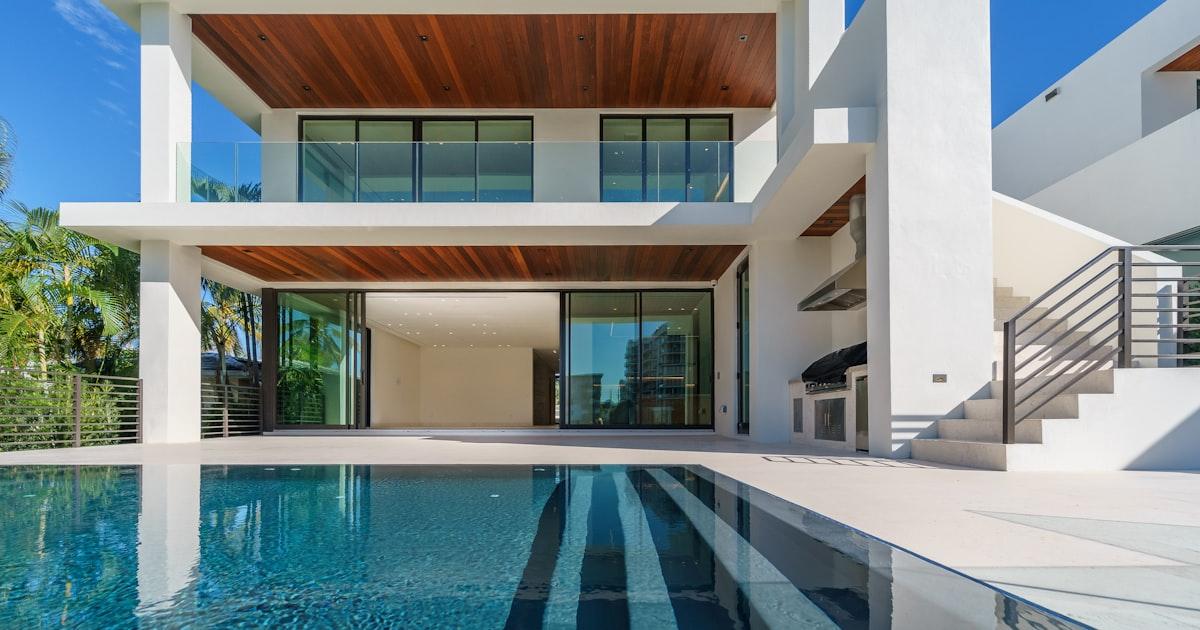
How to Write an Effective Apartment Rental Listing
Your rental listing is your property\'s sales pitch. In a competitive market, it is the single document that determines whether a prospective tenant clicks through to learn more, schedules a viewing, or scrolls past to the next option. A well-written listing does not just describe a property — it tells a story, highlights value, and persuades the right tenants that your apartment is exactly what they are looking for.
Yet many landlords treat listing creation as an afterthought, hastily typing a few sentences and uploading whatever photos are at hand. The result is a generic, uninspiring advertisement that gets lost in a sea of similar offerings. This guide will show you how to craft listings that stand out, attract quality applicants, and reduce the time your property sits vacant.
1. The Headline — Your First and Most Important Hook
The headline is the first thing a prospective tenant sees, and on most portals it is one of only two or three elements visible before the user clicks (alongside the main photo and the price). A strong headline should:
- State the key selling point: What is the single most compelling feature of your property? A sunny balcony? A location next to a metro station? A newly renovated kitchen? Lead with it.
- Include essential facts: Number of rooms, approximate area, and neighbourhood or district. These are the basic filters tenants use, and including them in the headline ensures your listing appears in relevant searches.
- Be specific rather than generic: "Sunny 2-bedroom with balcony, 5 min from Metro Politechnika" is far more compelling than "Nice apartment for rent in Warsaw."
- Avoid all-caps, excessive punctuation, and exaggeration: These signal desperation and reduce credibility. Let the facts speak for themselves.
Examples of effective headlines:
- "Bright 3-room apartment with parking, Mokotow, 65 sqm"
- "Renovated studio in Kazimierz, 2 min walk to Rynek"
- "Quiet 2-bedroom with garden view, Wrzeszcz, pet-friendly"
2. Structuring the Description
A well-structured description guides the reader through the property logically and answers their questions before they need to ask. Use this proven structure:
- Opening paragraph — the elevator pitch: Summarise the property in two or three sentences. What type of property is it, where is it located, what makes it special, and who is it ideal for? This paragraph should hook the reader and motivate them to continue reading.
- Property details — room by room: Walk the reader through the apartment as if they were physically visiting. Describe each room, noting its size, features, and condition. Mention natural light, views, and any notable fixtures or finishes.
- Building and surroundings: Describe the building (age, condition, lift, intercom, bicycle storage, parking) and the neighbourhood (shops, restaurants, parks, public transport, schools, medical facilities). Proximity to transport links is particularly important.
- Practical information: Rent, additional costs (utilities, building management fee, parking), deposit amount, minimum lease term, available date, and any specific conditions (pet policy, smoking policy, registration possibility).
- Call to action: End with a clear invitation to schedule a viewing and provide your preferred contact method.
3. Writing Compelling Copy
The difference between a good and a great listing lies in the quality of the writing. Follow these principles:
- Be specific: "The kitchen features a granite countertop, induction hob, and built-in oven" is infinitely more persuasive than "The kitchen is fully equipped." Specificity builds trust and helps tenants visualise the space.
- Highlight benefits, not just features: Instead of "The apartment has double-glazed windows," write "Double-glazed windows ensure a quiet, well-insulated interior even on the busiest streets." Show the tenant how each feature improves their daily life.
- Use sensory language: "A sun-filled living room that floods with morning light" is more evocative than "A bright living room." Help the reader feel the space.
- Be honest: Never exaggerate or misrepresent. If the apartment is on a busy road, acknowledge it and frame it positively ("Excellent transport connections, with a tram stop directly outside"). Dishonesty leads to wasted viewings and unhappy tenants who leave quickly.
- Write in complete sentences: Bullet-point lists are useful for technical specifications, but the main description should read as flowing, professional prose. Fragments and telegram-style writing feel impersonal and rushed.
- Proofread carefully: Spelling mistakes, grammatical errors, and inconsistencies undermine your credibility. Read the listing aloud before publishing, or ask someone else to review it.
4. Key Information Tenants Look For
Missing key information is one of the most common reasons tenants skip a listing. Ensure your description includes all of the following:
- Exact address or at least the district and street
- Number of rooms and total area in square metres
- Floor number and whether there is a lift
- Monthly rent and what it includes
- Additional monthly costs (utilities estimate, building management fee)
- Deposit amount
- Available date
- Minimum lease term
- Furnished or unfurnished (with details of what is included)
- Pet policy
- Parking availability and cost
- Internet availability
- Nearest public transport with walking times
- Energy certificate class (required by law in many jurisdictions)
5. Optimising for Search and Discovery
Most tenants find properties through search engines and portal search functions. Optimising your listing for discoverability ensures it reaches the widest possible audience:
- Use natural keywords: Include terms that tenants actually search for — the district name, nearby landmarks, "pet-friendly," "with parking," "renovated," "furnished." These should appear naturally in the text, not be stuffed artificially.
- Complete all portal fields: Most listing portals have structured fields for features (balcony, lift, parking, dishwasher, etc.). Filling in every applicable field improves your listing\'s visibility in filtered searches.
- Upload maximum photos: Listings with more photos rank higher on most portals and receive more engagement. Aim for 15 to 25 high-quality images covering every room and outdoor space.
- Price competitively: Overpriced listings receive dramatically fewer views. Research comparable apartments and price within the market range. You can always adjust upward if demand exceeds supply.
6. Photos and Visual Presentation
Photos are arguably more important than the text. Even the most beautifully written description cannot compensate for dark, blurry, or unflattering images. Key photo guidelines include:
- Lead with the strongest image: The first photo should be the most visually appealing — typically the living room or kitchen. This is the thumbnail that determines whether users click on your listing.
- Show every room: Include at least one photo of every room, plus the building exterior, entrance, and any outdoor spaces.
- Use natural light: Photograph during the day with curtains open. Avoid flash photography, which creates harsh, unflattering images.
- Stage the space: Tidy, declutter, and add small touches — a plant, fresh towels, a set table — to make the space feel inviting and lived-in.
- Include a floor plan: If possible, include a floor plan or schematic layout. This is one of the most requested features by tenants and significantly increases engagement with the listing.
If you manage your properties through Brokik, you can store property photos in the platform and reuse them when creating or refreshing listings, ensuring consistency and saving time.
7. Common Mistakes to Avoid
- Vague or generic descriptions: "Nice apartment in a good location" tells the tenant nothing. Be specific about what makes the property and its location attractive.
- Missing price or hidden costs: Transparency about costs is essential. Tenants who discover hidden charges during a viewing feel deceived and are unlikely to proceed.
- Outdated or misleading photos: Using photos from before a renovation or staging props that will not be in the apartment is dishonest and wastes everyone\'s time.
- Overloading with irrelevant detail: The history of the neighbourhood or a paragraph about the building\'s architect is rarely relevant to a tenant looking for a flat. Keep the focus on practical, decision-relevant information.
- Ignoring the target audience: A listing for a family apartment should emphasise schools, parks, and safety. A listing for a young professional should highlight nightlife, coworking spaces, and transport links. Tailor your message to your ideal tenant.
- Not updating the listing: If the rent changes, the availability date shifts, or a feature is added or removed, update the listing immediately. Stale information erodes trust.
8. Multi-Language Listings
If your property is in a city with a significant international population — Warsaw, Krakow, Wroclaw, or Gdansk — consider publishing the listing in multiple languages. An English-language version, in particular, dramatically increases your reach among expatriates, international students, and corporate relocations. A German-language version can be valuable in border regions or for properties targeting German-speaking markets.
Ensure that translated versions are genuine translations — not automated outputs — and that they include all the same information as the primary listing. Poorly translated text can do more harm than no translation at all.
Summary
An effective rental listing is specific, honest, well-structured, and visually compelling. It answers every question a prospective tenant might have, presents the property in its best light, and makes it easy for the right tenants to find and respond. By investing time in crafting a professional listing — with a strong headline, detailed description, comprehensive practical information, and excellent photos — you reduce vacancy periods, attract better tenants, and position yourself as a serious, trustworthy landlord.
Brokik helps landlords manage every aspect of the rental process, from storing property details and photos for quick listing creation to tracking applications, signing leases, and managing ongoing tenancies — all in one platform designed specifically for professional property management.
Handing over the flat?
Fill in the reportRelated articles

8 Oct 2026 · 11 min
Preparing the Heating System for Winter — Landlord Obligations
Learn about your obligations as a landlord regarding heating system maintenance before winter. A practical guide covering inspections, legal requirements, cost management, and ensuring tenant comfort during the cold season.
20 Sep 2026 · 10 min
Working with a Property Manager — When to Delegate Management
Should you manage your rental properties yourself or hire a property manager? Discover when delegation pays off, how to choose the right manager, and how to maintain control over your investment.
15 Aug 2026 · 8 min
Photographing a Rental Apartment - A Photo Guide
Learn how to take professional photos of your rental apartment that attract tenants. Practical tips on lighting, angles, staging, and equipment to make your listing stand out.