
Working with a Property Manager — When to Delegate Management
Should you manage your rental properties yourself or hire a property manager? Discover when delegation pays off, how to choose the right manager, and how to maintain control over your investment.
20 Sep 2026 · 10 min · Zespół Brokik
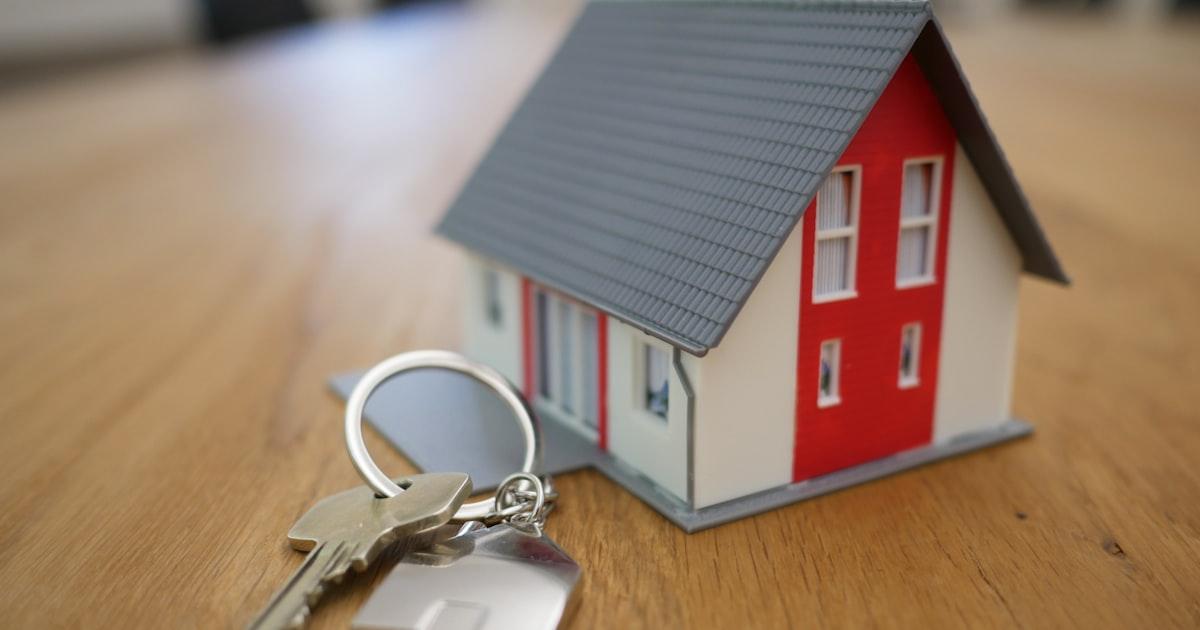
Working with a Property Manager — When to Delegate Management
Managing rental properties is a task that consumes more time and energy than many new landlords expect. Tenant support, maintaining the technical condition of properties, record-keeping, financial settlements, and responding to emergencies all require systematic commitment. At some point, many owners face the question: is it worth delegating management to a professional property manager? In this article, we analyse when such a decision makes sense, what benefits and risks it carries, and how to choose the right partner.
Self-Management vs. Property Manager — Key Differences
Self-managing rental properties means the owner personally handles all aspects of the tenancy — from finding tenants, through preparing contracts and protocols, to ongoing technical and financial management. This approach gives full control but requires time, knowledge, and availability.
A property manager is a professional or firm that takes over some or all of the responsibilities associated with rental management. The scope of services may include finding tenants, verifying their reliability, preparing documentation, collecting rent, organising repairs and renovations, and representing the owner in dealings with tenants and authorities.
Between these two models, however, there is a third way — self-management supported by digital tools. Platforms like Brokik enable automation of many rental management processes, allowing owners to retain control while significantly reducing their workload.
When Should You Consider a Property Manager?
The decision to hire a property manager depends on the owner's individual situation. Here are the most common scenarios where delegation makes sense:
- Large property portfolio — if you own more than 5–6 rental apartments, self-management can become a full-time job. A manager lets you reclaim time for portfolio development or other activities.
- Distance from properties — if you live in another city or abroad, remote property management is difficult, especially for emergencies requiring rapid response.
- Lack of time — if you have a demanding professional career, managing rentals in your spare time can lead to burnout and neglect.
- Lack of experience — if you are a new landlord and feel uncertain about the legal, technical, or financial aspects of renting.
- Short-term rental — managing short-term rentals requires daily involvement — handling bookings, cleaning, linen changes, key handovers. A property manager is particularly helpful in this model.
- Difficult tenants — if you have had experience with challenging tenants and prefer someone else to handle communications and resolve conflicts.
When Is Self-Management the Better Choice?
On the other hand, there are situations where self-management is more cost-effective and sensible:
- Small portfolio (1–3 apartments) — with a small number of properties, the workload is moderate, and manager costs may represent a significant portion of rental income.
- Proximity to properties — if you live near your rental units, you can respond quickly to tenant needs.
- Experience and knowledge — if you have rental management experience and know the legal framework, self-management gives greater control and higher returns.
- Stable tenants — if you have long-term, proven tenants, ongoing management is minimal.
- Digital tool support — using a rental management platform like Brokik, you can automate many processes and effectively manage even several properties without a manager's help.
Costs of Working with a Property Manager
Property management service costs in Poland in 2026 are as follows:
- Long-term rental — a typical manager's commission is 8–15% of monthly net rent. At PLN 3,000 rent, this means PLN 240–450 per month. Some companies also charge a tenant-finding fee (equivalent to 1 month's rent).
- Short-term rental — the commission is higher due to greater workload, typically 15–25% of gross revenue.
- Additional fees — some management companies charge extra for specific services: lease preparation (PLN 100–300), renovation coordination (5–10% of work value), handover protocol preparation (PLN 150–300).
When evaluating costs, consider not only direct expenses but also the value of saved time and potential savings from professional management — fewer vacancies, better-selected tenants, and faster response to technical problems.
How to Choose a Good Property Manager
Choosing a property manager is a decision that will directly affect your income and investment security. Here are the key criteria to focus on:
- Experience and references — check how long the company has been in the market and ask for references from other owners. An experienced manager handles non-standard situations better.
- Licence and insurance — while a property manager licence is no longer mandatory in Poland, holding one demonstrates professionalism. Professional liability insurance, however, is essential — it protects against the consequences of the manager's errors.
- Financial transparency — a good manager should provide clear settlements, regular financial reports, and access to documentation. Ask about reporting methods and frequency.
- Scope of services — ensure the manager's offer covers all needed services. Check whether the price includes a full package or whether additional services incur separate fees.
- Communication and availability — check how the manager communicates with owners and tenants. Do they respond quickly to reports? Are they available on weekends and holidays?
- Technology and tools — modern management companies use digital property management platforms, ensuring better organisation and transparency. One example is Brokik's solutions for property management companies.
What to Look for in the Management Agreement
The agreement with a property manager is a key document that should detail the scope of cooperation. Here are the most important elements it should include:
- Detailed scope of the manager's duties — every service should be clearly described to avoid misunderstandings.
- Remuneration and payment terms — precise specification of commission, additional fees, and settlement deadlines.
- Financial decision-making rules — establish the amount up to which the manager can independently make spending decisions (e.g., repairs up to PLN 500 without consultation; above that — owner approval required).
- Notice period — typically 1–3 months. Too long a notice period limits your flexibility.
- Liability and insurance — clauses regarding liability for damages and the manager's errors.
- Reporting — frequency and format of financial and technical reports.
- Property handover procedure — rules for transferring documentation and contacts upon termination of cooperation.
The Hybrid Model — The Golden Mean
An increasing number of property owners opt for a hybrid model that combines elements of self-management with partial external support. In this model, the owner retains control over key decisions — setting rents, selecting tenants, and planning investments — but delegates operational tasks such as day-to-day technical support or cleaning coordination.
The hybrid model is particularly effective when combined with a rental management platform. Brokik enables centralised document management, automated payment and inspection reminders, and clear tenant communication. The owner has full visibility of their property portfolio and finances without needing to engage in daily operational details.
Controlling the Manager — How to Monitor Service Quality
Delegating management does not mean giving up control. The owner should actively monitor the quality of the manager's services. Here are some practical tips:
- Regular report reviews — analyse monthly financial reports and compare them with your own expectations.
- Periodic property visits — do not rely solely on the manager's reports. Occasionally check the property's condition in person.
- Tenant contact — occasionally reach out directly to tenants to gauge their opinion on service quality.
- Market comparison — regularly check whether rents set by the manager align with current market rates.
- Vacancy monitoring — excessively long vacancy periods may indicate problems with the manager's strategy.
- Use digital tools — the Brokik platform lets owners track payments, documentation, and tenant requests in real time, even when day-to-day management is handled by a manager.
Changing Managers — When and How?
If the collaboration with a manager is not delivering expected results, do not delay in deciding to make a change. Warning signs include:
- Non-transparent financial settlements
- Frequent and extended vacancies
- Lack of response to tenant reports
- Deteriorating property condition
- Tenant complaints about service quality
- Lack of regular reports
When changing managers, ensure smooth handover of documentation — lease agreements, protocols, keys, tenant and contractor contacts. Maintaining documentation in a digital system like Brokik significantly simplifies this process, as all data is organised and easily accessible.
Summary
The decision to work with a property manager is a personal one, depending on the number of properties owned, available time, experience, and personal preferences. A manager can be invaluable support for owners of large portfolios, those living far from their properties, or those who simply prefer a passive investment model. At the same time, for owners of a few apartments, self-management supported by a platform like Brokik can be equally effective and significantly cheaper.
Regardless of the chosen model, the key to success is a professional approach to management — systematic documentation, transparent finances, effective tenant communication, and regular property condition checks. Modern digital tools make professional rental management more accessible than ever, enabling every landlord — whether managing alone or with a manager — to effectively care for their investments.
Handing over the flat?
Fill in the protocolRelated articles

2 Sep 2026 · 9 min
How to Write an Effective Apartment Rental Listing
Master the art of writing rental listings that attract quality tenants fast. From compelling headlines to detailed descriptions and strategic keyword use, learn what makes a listing stand out.

15 Aug 2026 · 8 min
Photographing a Rental Apartment - A Photo Guide
Learn how to take professional photos of your rental apartment that attract tenants. Practical tips on lighting, angles, staging, and equipment to make your listing stand out.

28 Jul 2026 · 9 min
Furnishing a Rental Apartment — What Works and What Does Not
Discover which furniture and appliances deliver the best return in rental properties. Learn practical tips on furnishing standards, durability, and smart budgeting to maximize tenant satisfaction and minimize costs.
Cały najem w jednym miejscu
Zarządzaj najmem prościej z Brokikiem - umowy, rozliczenia i dokumenty w jednym miejscu.