
Micro-Apartment Rentals — A Growing Trend in the Polish Market
Micro-apartments are gaining popularity on the Polish rental market. Learn about this growing trend, the profitability of small units, legal requirements, and how to effectively manage micro-apartment portfolios.
26 Sep 2026 · 9 min · Zespół Brokik
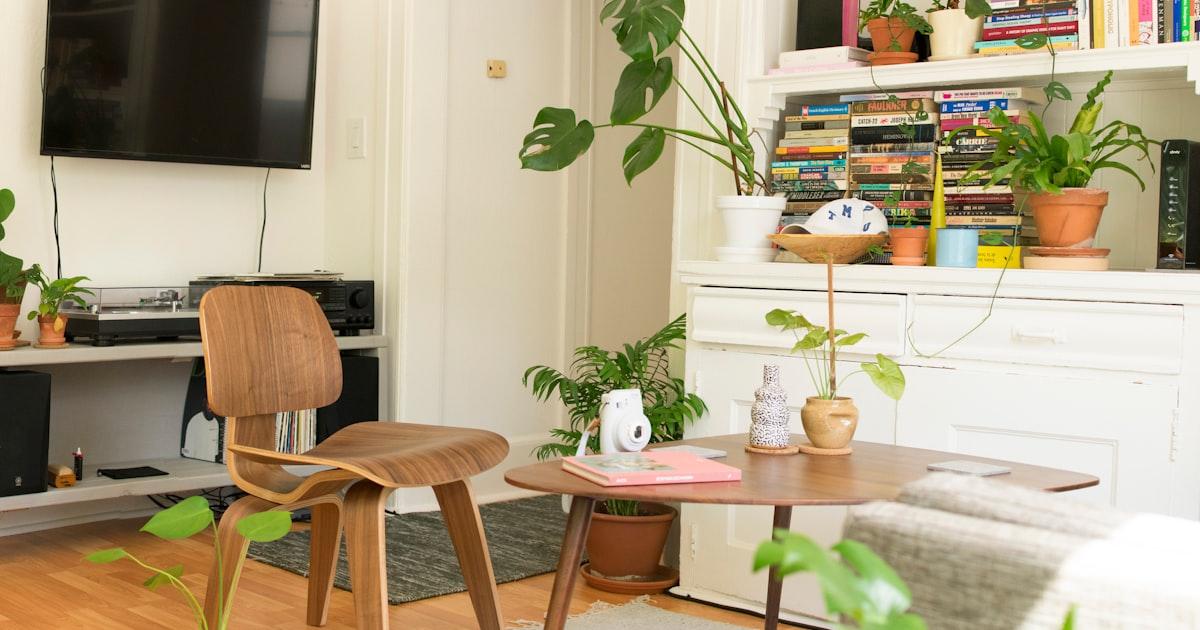
Micro-Apartment Rentals — A Growing Trend in the Polish Market
The Polish rental market has been undergoing a quiet revolution in recent years, and one of its most visible manifestations is the growing popularity of micro-apartments. These compact living spaces, typically ranging from 15 to 30 square meters, are reshaping how both investors and tenants think about urban housing. What was once considered a niche segment is now becoming a mainstream option, driven by demographic changes, rising property prices, and evolving lifestyle preferences.
In this article, we will explore the micro-apartment trend in depth — from the market forces driving it, through the financial realities of investing in small units, to the practical challenges of managing micro-apartment portfolios effectively.
What Defines a Micro-Apartment?
While there is no strict legal definition of a micro-apartment in Poland, the market generally considers units between 15 and 30 square meters to fall into this category. These spaces are designed to maximize functionality within a minimal footprint, often featuring:
- Open-plan layouts combining living, sleeping, and kitchen areas in a single room
- Compact but complete bathrooms
- Built-in furniture and multi-functional elements (fold-out beds, wall-mounted desks)
- Clever storage solutions utilizing vertical space
- High-quality finishes that create a sense of spaciousness despite the small size
It is important to distinguish micro-apartments from so-called "investment apartments" or apart-hotel units, which may be similar in size but serve different market segments and operate under different legal frameworks.
Market Forces Driving the Trend
Several interrelated factors have contributed to the explosive growth of micro-apartments in Poland:
- Rising property prices: In major Polish cities like Warsaw, Krakow, Wroclaw, and Gdansk, property prices have increased dramatically. Micro-apartments offer an entry point for investors with smaller budgets, allowing them to acquire rental property in prime locations that would otherwise be unaffordable.
- Demographic shifts: The number of single-person households in Poland has been growing steadily, now accounting for over 25% of all households. Young professionals, students, and divorced individuals often do not need — or want — large living spaces.
- Urbanization: Poland\'s continued urbanization trend means more people are moving to cities, increasing demand for affordable housing options in central locations.
- Remote work: The post-pandemic normalization of remote and hybrid work has created a cohort of digital nomads and location-flexible workers who prioritize location and affordability over living space.
- Changing attitudes: Younger generations, influenced by global trends and minimalist movements, are more open to living in smaller spaces, especially if they are well-designed and well-located.
Financial Analysis: Returns on Micro-Apartments
One of the primary attractions of micro-apartments for investors is the potentially higher rental yield per square meter compared to larger units. Consider the following typical scenario for a major Polish city:
- A 50 m² apartment purchased for 500,000 PLN, rented for 2,800 PLN/month = 6.7% gross annual yield
- A 20 m² micro-apartment purchased for 220,000 PLN, rented for 1,800 PLN/month = 9.8% gross annual yield
The math is compelling: while the absolute rent is lower, the return relative to the investment is significantly higher. This is because rent per square meter increases disproportionately as unit size decreases — tenants pay a premium for the convenience of an independent, self-contained living space regardless of its size.
However, investors should also account for higher turnover rates (micro-apartment tenants tend to move more frequently), potentially higher management costs per unit, and the risk of regulatory changes that could affect very small apartments.
Legal Considerations and Regulations
The legal landscape for micro-apartments in Poland deserves careful attention. Key considerations include:
- Minimum size requirements: Polish building regulations (Warunki Techniczne) set minimum standards for residential units. As of recent amendments, the minimum size for a studio apartment is 25 m². Units below this threshold may be classified differently (e.g., as service or hotel units), which affects their legal status and the applicable regulations.
- Classification matters: How a micro-apartment is classified in the land register and building permit documentation affects taxation, tenant rights, and applicable regulations. Residential units are subject to different rules than commercial service units.
- Building community regulations: Many housing communities (wspólnoty mieszkaniowe) have adopted rules restricting short-term rentals or specific uses of small units, which can affect your rental strategy.
- Fire safety requirements: Very small units must still meet fire safety standards, including minimum window sizes, emergency egress, and ventilation requirements.
Target Tenants for Micro-Apartments
Understanding your target tenant demographic is crucial for successfully renting micro-apartments. The primary groups include:
- Students: University cities see strong demand from students who want independence from dormitories but cannot afford larger apartments.
- Young professionals: Career-focused individuals in their 20s and early 30s who prioritize location (close to work, entertainment, transport) over space.
- Business travelers: Professionals who need a pied-à-terre for recurring business trips to a particular city.
- International workers: Expatriates and foreign workers who need temporary accommodation and prefer independent living over shared arrangements.
- Minimalists: A growing segment of people who consciously choose smaller living spaces aligned with sustainability and minimalism values.
Managing Micro-Apartment Portfolios
Managing a portfolio of micro-apartments presents unique challenges compared to standard rental units. Higher tenant turnover means more frequent check-ins, check-outs, and property condition assessments. More units in the same budget bracket means more leases, more payment tracking, and more administrative overhead.
This is where property management technology becomes invaluable. A platform like Brokik can help you manage multiple micro-apartments efficiently by centralizing lease management, automating payment tracking, streamlining check-in and check-out protocols with digital documentation, and keeping meter readings and utility calculations organized. When you are managing ten or twenty small units rather than two or three standard apartments, the administrative savings from automation and centralization become significant.
Design and Furnishing Best Practices
The success of a micro-apartment rental depends heavily on how the space is designed and furnished. Key principles include:
- Invest in quality built-in furniture that maximizes storage and functionality
- Use light colors and mirrors to create a sense of openness
- Ensure adequate lighting, both natural and artificial
- Provide fast, reliable internet as a standard amenity
- Include a small but efficient kitchen area with essential appliances
- Install good-quality soundproofing — a critical factor for tenant satisfaction in small spaces
Risks and Challenges
While micro-apartments offer attractive returns, investors should be aware of potential risks:
- Regulatory risk: Minimum size requirements could be tightened, affecting the market value and rentability of the smallest units
- Market saturation: Some cities may see an oversupply of micro-apartments if too many developers target this segment simultaneously
- Resale challenges: Micro-apartments may have a smaller pool of potential buyers, making them less liquid than standard apartments
- Management intensity: Higher turnover and more units mean more management work per invested zloty
Summary
Micro-apartments represent a genuine and growing segment of the Polish rental market, driven by demographic trends, economic realities, and changing lifestyle preferences. For investors, they offer the potential for higher yields per square meter, though they come with higher management intensity and specific regulatory considerations. Success in this segment requires understanding your target tenants, investing in thoughtful design, staying current with regulations, and leveraging technology to manage the increased operational complexity. Tools like Brokik can be particularly valuable for landlords building portfolios of small units, providing the organizational infrastructure needed to manage efficiently at scale.
Track how your flats perform
See how it worksRelated articles

8 Sep 2026 · 10 min
Rents in Polish Cities — First Half of 2026 Report
A comprehensive analysis of the rental market in major Polish cities for the first half of 2026. Find out how rents have changed, which cities are most expensive, and what trends to expect in the coming months.
21 Aug 2026 · 10 min
Coliving and Cohousing — New Rental Models in Poland
Explore the growing coliving and cohousing trends in Poland. Learn how these alternative rental models work, who they appeal to, and what they mean for property owners and investors.

3 Aug 2026 · 11 min
Renting Property in Germany — Comparison with the Polish Market
A detailed comparison of rental markets in Germany and Poland — from legal frameworks and tenant protections to pricing dynamics, management practices, and investment opportunities on both sides of the border.
Your entire tenancy in one place
Manage your rentals more easily with Brokik - agreements, settlements and documents in one place.