
Coliving and Cohousing — New Rental Models in Poland
Explore the growing coliving and cohousing trends in Poland. Learn how these alternative rental models work, who they appeal to, and what they mean for property owners and investors.
21 Aug 2026 · 10 min · Zespół Brokik
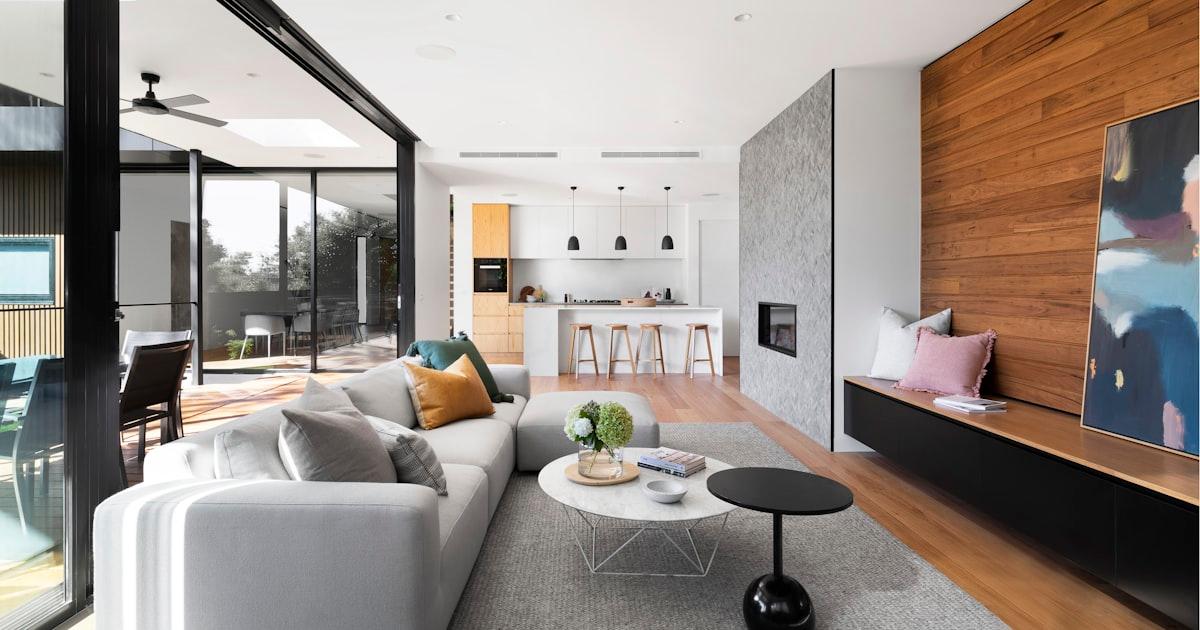
Coliving and Cohousing — New Rental Models Transforming the Polish Market
The Polish rental market is evolving. While traditional one-tenant-one-apartment arrangements remain the dominant model, a new generation of renters and investors is embracing alternative living concepts that blur the lines between private and communal space. Coliving and cohousing — two distinct but related models — are gaining traction in Poland\'s major cities, driven by rising rents, changing lifestyles, and a growing appetite for community-oriented living.
In this article, we unpack what coliving and cohousing actually mean, how they differ from traditional flatsharing, who is driving their adoption in Poland, and what property owners should know if they are considering entering this market segment.
1. Defining the Terms
Before diving deeper, it is important to clarify what we mean by coliving and cohousing, as the terms are sometimes used interchangeably despite representing quite different models:
- Coliving is a professionally managed rental model where tenants have private bedrooms (sometimes with en-suite bathrooms) and share common spaces such as kitchens, living rooms, co-working areas, and recreational facilities. Coliving operators typically handle all utilities, cleaning, maintenance, and community programming. Leases tend to be flexible, often month-to-month.
- Cohousing is a community-led housing model where residents own or rent individual units within a larger development but share significant communal facilities — a common kitchen, dining room, garden, workshop, laundry, or guest rooms. Residents participate in the governance and design of their community. Cohousing emphasises long-term stability and self-management.
The key difference is operational: coliving is typically a business operated by a company, while cohousing is driven by the residents themselves. Both, however, share the principle that communal living can be richer, more affordable, and more sustainable than isolated individual apartments.
2. Why Now? The Drivers Behind the Trend
Several converging factors explain why coliving and cohousing are gaining ground in Poland at this particular moment:
- Rising rental costs: In Warsaw, Krakow, Wroclaw, and Gdansk, rental prices have increased significantly over the past five years. For many young professionals, a private one-bedroom apartment in a central location is simply unaffordable. Coliving offers a middle ground — private space with shared amenities at a lower per-person cost.
- Remote work and digital nomadism: The post-pandemic normalisation of remote work has created a class of location-independent professionals who value flexibility, community, and well-equipped workspaces over long-term leases in a single city.
- Loneliness and social isolation: Urban living can be isolating, particularly for people who have relocated for work. Both coliving and cohousing address this by embedding social interaction into the living environment.
- Sustainability concerns: Sharing resources — kitchens, laundry, tools, vehicles — is inherently more efficient than individual ownership. Environmentally conscious tenants are drawn to models that reduce consumption and waste.
- Demographic shifts: Poland\'s population is ageing, household sizes are shrinking, and more people are living alone than ever before. Cohousing, in particular, offers a compelling alternative for older adults who want community support without institutional care.
3. The Coliving Landscape in Poland
Coliving in Poland is still in its early stages compared to more mature markets like Berlin, London, or New York, but the trajectory is clearly upward. Several professional operators have entered the Polish market, primarily targeting Warsaw and Krakow.
Typical Polish coliving offerings include:
- Furnished private rooms (12-20 sqm) with shared living areas
- All-inclusive pricing covering rent, utilities, internet, cleaning, and sometimes co-working facilities
- Flexible lease terms — from one month to twelve months
- Community events organised by the operator
- Prime urban locations, often in well-connected neighbourhoods
The primary demographic for coliving in Poland consists of young professionals aged 22 to 35, international workers and students, and digital nomads seeking a temporary base. However, some operators are beginning to explore niche segments such as coliving for professionals over 40 or for families with children.
4. Cohousing Initiatives in Poland
Cohousing has deeper roots in Scandinavia and the Netherlands, where communities have thrived for decades. In Poland, the concept is newer and has faced specific challenges related to land ownership, building regulations, and cultural attitudes toward communal living.
Nevertheless, several pioneering projects have emerged. Grassroots groups in Warsaw and Poznan have organised around the cohousing model, pooling resources to develop or convert buildings into intentional communities. These projects typically feature:
- Individual apartments or units of varying sizes (accommodating singles, couples, and families)
- Shared facilities: common kitchen, dining room, guest rooms, children\'s play area, garden
- Participatory governance — decisions made collectively by residents
- Strong emphasis on sustainability — energy-efficient design, shared transport, communal gardens
- Mixed generations — from young families to retirees
The challenge for cohousing in Poland remains primarily financial and regulatory. Assembling a group of committed co-founders, securing land or a building, navigating planning permissions, and arranging financing are all complex undertakings that require years of sustained effort.
5. Opportunities for Property Owners
For landlords and investors, coliving and cohousing represent both an opportunity and a shift in mindset. Here is what you should consider:
- Higher yield per square metre: A large apartment converted into a coliving space — with three or four private rooms sharing a kitchen and living area — can generate significantly more revenue than the same apartment rented to a single tenant or couple.
- Lower vacancy risk: With multiple tenants per property, the departure of one resident does not leave the entire unit empty. Diversification of tenancy reduces income volatility.
- Higher management intensity: Coliving requires more active management than traditional rental — more tenants mean more communications, more maintenance requests, and more turnover. This is where property management tools become essential.
- Legal considerations: Polish tenancy law does not have specific provisions for coliving. Operators typically use individual room rental agreements with shared-space usage clauses. It is essential to consult a lawyer experienced in rental law when structuring these arrangements.
- Property suitability: Not every apartment works for coliving. Ideal properties have three or more bedrooms, at least two bathrooms, a spacious common area, and good sound insulation between rooms.
Platforms like Brokik can help property owners manage multi-tenant arrangements more efficiently, from tracking individual rent payments and lease terms to maintaining maintenance histories and communication logs for each resident.
6. Challenges and Risks
Neither coliving nor cohousing is without challenges. Landlords entering this space should be aware of:
- Higher turnover: Coliving tenants, particularly digital nomads and international workers, tend to stay for shorter periods than traditional tenants. Frequent turnover increases administrative workload and cleaning costs.
- Interpersonal conflicts: Shared living inevitably leads to friction. Noise, cleanliness standards, and shared-space etiquette are common sources of tension. Operators need clear house rules and effective conflict resolution mechanisms.
- Regulatory uncertainty: As the sector grows, Polish regulators may introduce specific legislation governing coliving operations. Staying informed about legal developments is essential.
- Market saturation in premium segments: As more operators enter the market, competition for prime locations and desirable tenants intensifies. Differentiation through quality, community, and services becomes increasingly important.
7. The Future Outlook
The trajectory of coliving and cohousing in Poland mirrors patterns observed in Western European markets a decade ago. As urbanisation continues, housing costs rise, and social attitudes toward shared living evolve, these models are likely to grow from niche offerings into a mainstream segment of the rental market.
For property owners and investors, the key takeaway is this: understanding and adapting to new rental models is not optional — it is a strategic imperative. Those who develop expertise in managing multi-tenant, community-oriented properties will be well-positioned to capitalise on one of the most significant shifts in the Polish rental market in a generation.
Summary
Coliving and cohousing are reshaping how people think about rental housing in Poland. While still emerging, these models offer tangible benefits for tenants — affordability, community, flexibility — and real opportunities for landlords willing to invest in more active, professional management. Whether you are considering converting a property for coliving or simply want to understand where the market is headed, staying informed about these trends is essential for any serious rental property owner.
Tools like Brokik make it easier to manage the complexity that comes with new rental models, from multi-tenant billing to lease management and maintenance tracking, ensuring that innovation in your portfolio does not come at the cost of operational efficiency.
Rozpocznij darmowe zarządzanie najmem już teraz!
Zarządzaj najmem prościej z Brokikiem - umowy, rozliczenia i dokumenty w jednym miejscu.