
Handover Protocol — How to Prepare It Step by Step
Learn how to properly prepare a handover protocol for a rental property. A step-by-step guide covering all essential elements, from meter readings to photographic documentation.
2 Apr 2026 · 9 min · Zespół Brokik
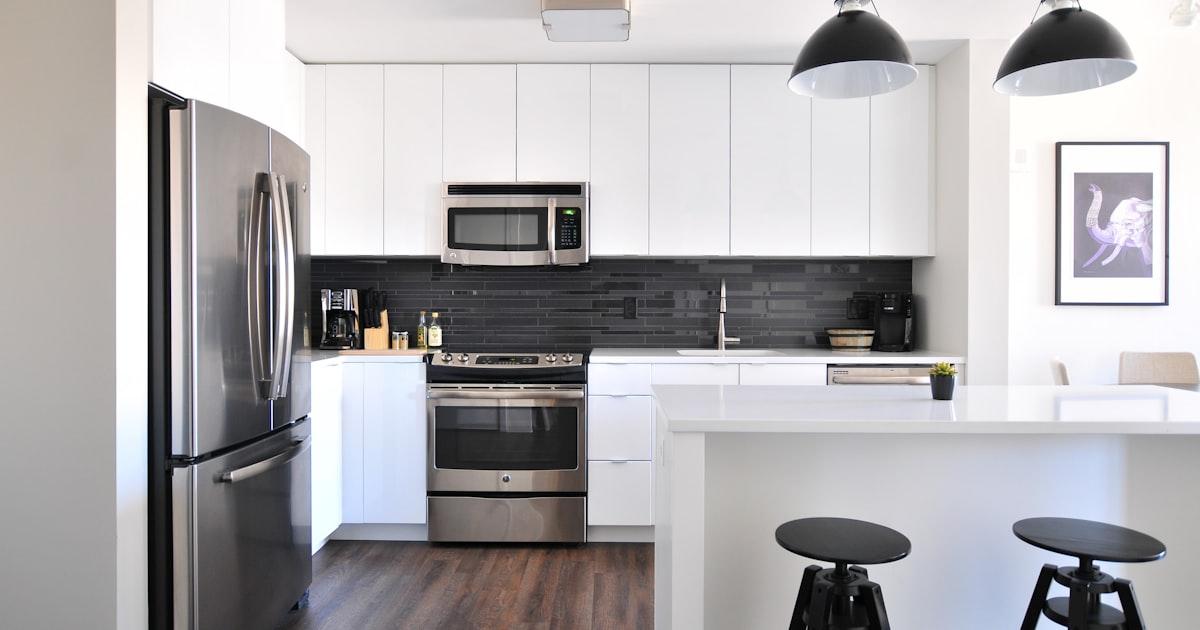
Handover Protocol — How to Prepare It Step by Step
A handover protocol is one of the most important documents in the rental process. It protects both the landlord and the tenant by precisely documenting the condition of the property at the moment of handover. Without it, resolving disputes about damages, missing equipment, or unpaid utility bills becomes extremely difficult. In this guide, we will walk you through each step of creating a thorough and legally sound handover protocol.
Why Is the Handover Protocol So Important?
The handover protocol serves as a snapshot of the property's condition at a given moment. When a tenant moves in, it establishes a baseline; when they move out, it allows the landlord to compare the current state with the original one. Courts in Poland, Germany, and the UK regularly accept handover protocols as evidence in rental disputes. A well-prepared protocol can save you thousands of euros in potential litigation costs.
Moreover, a detailed protocol builds trust between the parties. Tenants feel more secure knowing that they will not be held responsible for pre-existing defects, while landlords gain confidence that any new damage will be properly documented. Platforms like Brokik make the entire process digital, reducing the risk of lost paperwork and ensuring both parties have instant access to the signed document.
Step 1: Gather the Necessary Information
Before the actual inspection, prepare a template that includes all the essential fields. At a minimum, the protocol should contain:
- Full names and identification details of the landlord and the tenant
- The exact address of the property, including apartment number and floor
- The date and time of the handover
- The type of handover — move-in or move-out
- Reference to the lease agreement (number, date)
Having this information ready in advance speeds up the process significantly. Brokik allows you to generate pre-filled protocol templates that automatically pull data from the lease agreement, eliminating manual entry errors.
Step 2: Record Meter Readings
Meter readings are a critical component of the handover protocol. They determine the split of utility costs between the outgoing and incoming tenant, or between the tenant and the landlord. You should record readings for:
- Electricity meter — note the meter number and current reading in kWh
- Gas meter — note the meter number and current reading in m³
- Water meters — both cold and hot water, with meter numbers and readings in m³
- Heating meter — if applicable, including the meter number and reading
Take a close-up photograph of each meter display. This provides indisputable proof of the reading at the time of handover. In Brokik, you can record meter states directly in the app and attach photos, creating a complete digital trail that is timestamped and tamper-proof.
Step 3: Inspect Every Room Systematically
Go through the property room by room. For each space, document the condition of the following elements:
- Walls and ceilings — look for cracks, stains, peeling paint, or mould
- Floors — check for scratches, dents, loose tiles, or damaged grouting
- Windows — test opening and closing mechanisms, check seals, note any cracks in glass
- Doors — verify locks, handles, and hinges; note any warping or damage
- Electrical outlets and switches — test each one to confirm they work
- Plumbing fixtures — run taps, flush toilets, check for leaks under sinks
- Heating elements — test radiators or underfloor heating where applicable
Be methodical. Start from the entrance hall and move clockwise through each room. This systematic approach ensures nothing is overlooked. Note any damage using precise language — for example, "scratch on laminate floor, approximately 15 cm long, in the centre of the living room" rather than simply "floor damaged."
Step 4: Inventory of Equipment and Furnishings
If the property is rented furnished or partially furnished, create a detailed inventory list. For each item, record:
- Description of the item (e.g., "white Bosch washing machine, model XYZ")
- Condition — new, good, fair, or damaged
- Any specific defects or wear marks
- Serial numbers for appliances where available
This inventory becomes the reference point for the move-out protocol. Without it, proving that a washing machine was in working order at the start of the tenancy is nearly impossible. Brokik's property management features let you maintain a living inventory that updates with each tenancy cycle.
Step 5: Photographic Documentation
Photos are worth a thousand words — especially in rental disputes. Follow these best practices:
- Take wide-angle shots of each room to capture the overall condition
- Photograph every defect close-up, with a ruler or coin for scale if needed
- Capture meter readings as mentioned earlier
- Photograph keys, remote controls, and any accessories handed over
- Ensure photos are well-lit and clearly show the details
Store these photos together with the protocol. Digital property management tools like Brokik automatically link photos to the relevant protocol entry, making them easy to retrieve later. This eliminates the common problem of having hundreds of unnamed photos on a phone with no way to connect them to a specific property or date.
Step 6: Key Handover
Document all keys and access devices that are being handed over. This includes:
- Apartment keys — note the number of copies
- Building entrance keys or fobs
- Mailbox keys
- Garage or basement keys
- Intercom codes or access PINs
- Remote controls for gates or blinds
Both parties should confirm the number and type of keys received. Lost keys may require lock replacement, which can be a significant expense. Recording this in the protocol protects the landlord's right to deduct the cost from the security deposit if keys are not returned.
Step 7: Signatures and Distribution
The protocol must be signed by both parties to be legally binding. Make sure to:
- Have both the landlord (or their representative) and the tenant sign each page
- Include the date and place of signing
- Provide each party with a copy of the complete protocol
- Attach all photos and supporting documents
With Brokik, protocols can be signed electronically, which is legally recognized in Poland and across the EU. Both parties receive an instant digital copy, and the document is securely stored in the cloud with a complete audit trail.
Common Mistakes to Avoid
Even experienced landlords sometimes make errors when preparing handover protocols. Here are the most frequent ones:
- Being too vague — "some scratches" is not useful; describe the exact location, size, and nature of each defect
- Skipping rooms — always check storage areas, balconies, and utility closets
- Forgetting meter readings — this leads to billing disputes that are hard to resolve
- Not taking photos — verbal descriptions alone are rarely sufficient in disputes
- Rushing the process — allocate at least 30-60 minutes for a thorough inspection
- Using only a paper copy — paper can be lost, damaged, or altered; digital protocols are more reliable
Digital vs. Paper Protocols
While paper protocols have been the standard for decades, digital alternatives offer clear advantages. A digital protocol created in Brokik is always accessible, cannot be accidentally destroyed, and includes timestamps that verify when the document was created and signed. It also integrates with other property management features, such as lease tracking, payment monitoring, and maintenance records, giving you a complete picture of each tenancy in one place.
Transitioning from paper to digital does not have to be complicated. Brokik provides ready-to-use protocol templates that guide you through every step described in this article, ensuring nothing is missed. For landlords managing multiple properties, this standardization saves considerable time and reduces the risk of errors.
Legal Significance of the Handover Protocol
From a legal standpoint, the handover protocol serves as prima facie evidence of the property's condition at the time of transfer. Polish courts have consistently ruled that a signed protocol constitutes an agreement between the parties regarding the state of the premises. This is particularly important in disputes over security deposit deductions, where the landlord must prove that damage occurred during the tenancy. Without a protocol, the burden of proof becomes significantly harder to satisfy.
The protocol also plays a critical role when the lease involves an occasional or institutional tenancy agreement. In such cases, the notarial declaration of voluntary submission to enforcement is linked to the lease conditions, and the handover protocol serves as a baseline for determining whether those conditions have been met. Courts may reference the protocol when assessing the reasonableness of deposit deductions or damage claims.
For maximum legal protection, ensure that both the move-in and move-out protocols are prepared with equal diligence. A detailed move-in protocol that is not matched by a thorough move-out protocol provides an incomplete picture that weakens your position. Conversely, if the move-in protocol was superficial but the move-out protocol is detailed, a court may question the reliability of any claimed discrepancies.
Special Considerations for Furnished Properties
Furnished properties require additional attention during the handover process. Beyond the standard room-by-room inspection, you should:
- Create a detailed inventory with photographs of each furniture item, noting brand, model, and condition
- Test all electronic appliances — turn on the washing machine, run the dishwasher, check the oven and microwave
- Document the condition of upholstered furniture, mattresses, and curtains, which are prone to staining and wear
- Record the state of kitchen utensils, cutlery, and tableware if these are included in the rental
- Note the age and expected remaining lifespan of major appliances to establish fair depreciation expectations
This level of detail may seem excessive, but it becomes invaluable when a tenant disputes a deduction for a broken appliance or damaged furniture. With Brokik, you can maintain an up-to-date inventory for each property that carries forward between tenancies, making it easy to compare conditions at move-in and move-out.
Summary
A well-prepared handover protocol is your best defence against rental disputes. By following the steps outlined above — gathering information, recording meter readings, inspecting each room, inventorying equipment, taking photos, documenting keys, and obtaining signatures — you create a comprehensive record that protects both parties. The legal significance of this document cannot be overstated: it serves as the primary evidence in any deposit dispute or damage claim. Digital tools like Brokik streamline this process, making it faster, more accurate, and legally robust. Whether you manage one apartment or a portfolio of properties, investing time in proper handover documentation pays dividends in peace of mind and financial security.
Run your rentals from one place
See how it worksRelated articles
29 Sep 2026 · 9 min
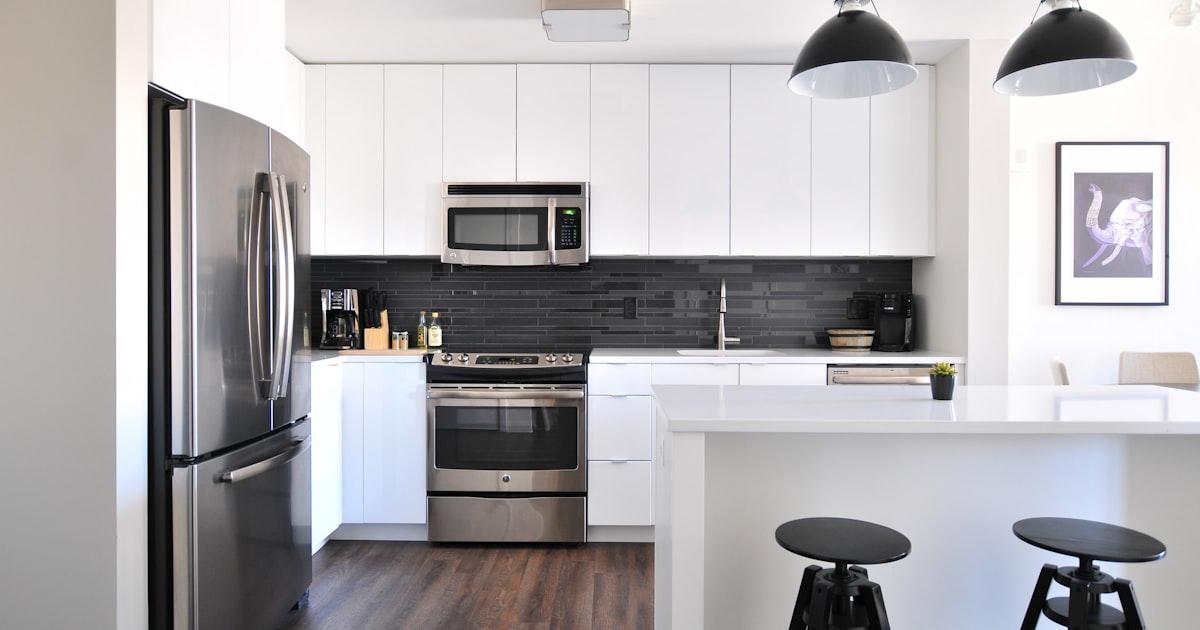
Photographic Documentation of Apartment Condition — Why It Matters So Much
Learn why photographic documentation of your rental property is essential for protecting your investment. Practical tips on what, when, and how to photograph to avoid disputes and ensure smooth tenant transitions.

11 Sep 2026 · 10 min
Seasonal Property Maintenance — Autumn and Winter
Prepare your rental property for the cold season. A comprehensive guide to autumn and winter maintenance that will help you avoid costly repairs and keep tenants satisfied.
24 Aug 2026 · 9 min
Managing Warranties and Complaints in a Rental Apartment
Learn how to effectively manage warranties and handle complaints in rental properties. Practical advice on documentation, legal obligations, and keeping tenants satisfied.
Your entire tenancy in one place
Manage your rentals more easily with Brokik - agreements, settlements and documents in one place.