
Systemy zamków elektronicznych dla mieszkań na wynajem
Dowiedz się, jak systemy zamków elektronicznych mogą usprawnić zarządzanie nieruchomościami na wynajem. Porównujemy technologie, omawiamy korzyści i ryzyka oraz pomagamy wybrać najlepsze rozwiązanie.
25 cze 2026 · 9 min · Zespół Brokik
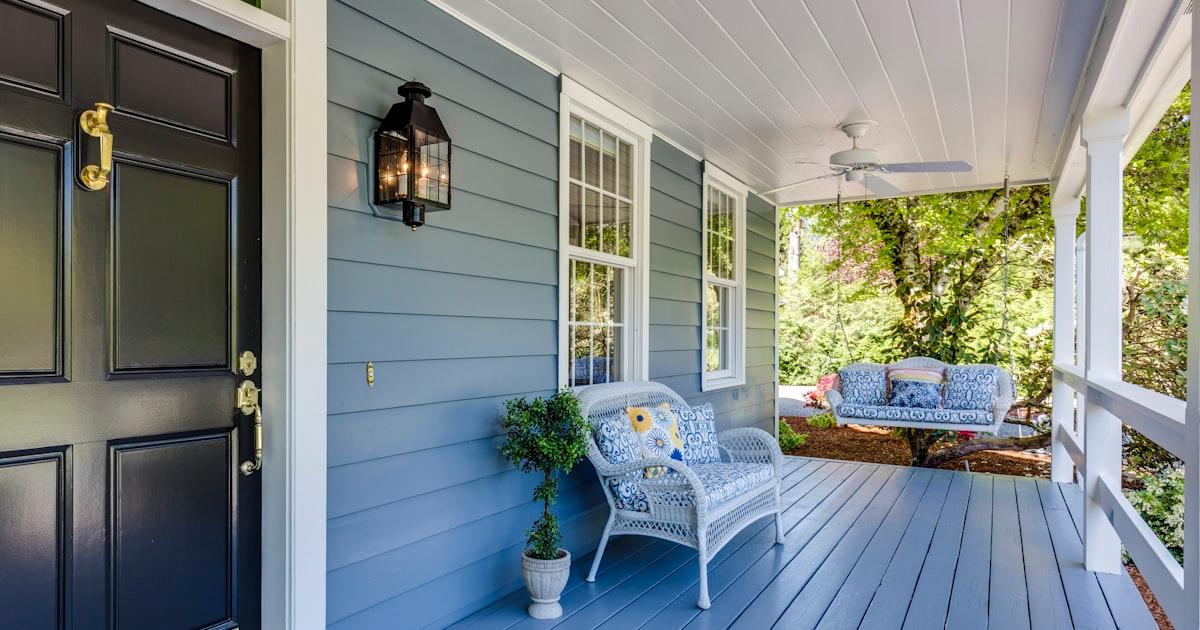
Systemy zamków elektronicznych — rewolucja w zarządzaniu dostępem do mieszkań na wynajem
Tradycyjne klucze mechaniczne przez dziesięciolecia były jedynym sposobem zabezpieczania dostępu do mieszkań. Jednak w erze cyfrowej, gdy zarządzanie nieruchomościami na wynajem staje się coraz bardziej zautomatyzowane i zdalne, systemy zamków elektronicznych oferują nową jakość w kontroli dostępu. Dla właścicieli mieszkań na wynajem — zarówno w modelu długoterminowym, jak i krótkoterminowym — zamki elektroniczne mogą znacząco uprościć logistykę, zwiększyć bezpieczeństwo i poprawić doświadczenie najemców. W tym artykule szczegółowo omówimy dostępne technologie, ich zalety i wady oraz praktyczne aspekty wdrożenia.
Rodzaje zamków elektronicznych
Zamki z klawiaturą kodową
To najprostsze i najczęściej stosowane rozwiązanie w wynajmie krótkoterminowym. Zamek otwierany jest po wpisaniu kodu PIN na klawiaturze numerycznej. Kody mogą być zmieniane zdalnie, co eliminuje potrzebę fizycznego spotkania z najemcą w celu przekazania kluczy. Modele wyższej klasy pozwalają na generowanie kodów jednorazowych lub czasowo ograniczonych — np. kod aktywny tylko w okresie pobytu gościa.
Zalety zamków z klawiaturą to przede wszystkim prostota obsługi (gość nie potrzebuje żadnych dodatkowych urządzeń), niska cena w porównaniu z bardziej zaawansowanymi rozwiązaniami, możliwość zdalnej zmiany kodów oraz brak ryzyka zgubienia klucza. Wady to ryzyko podejrzenia kodu przez osoby postronne, ograniczona liczba unikalnych kodów w prostszych modelach oraz konieczność regularnej wymiany baterii.
Zamki Bluetooth
Zamki Bluetooth otwierane są za pomocą smartfona z dedykowaną aplikacją. Najemca otrzymuje wirtualny klucz na swój telefon, który aktywuje zamek po zbliżeniu do niego. To rozwiązanie oferuje wyższy poziom bezpieczeństwa niż kody PIN, ponieważ klucz jest powiązany z konkretnym urządzeniem i może być łatwo dezaktywowany zdalnie.
Zaletą zamków Bluetooth jest wysoki poziom bezpieczeństwa, wygodna obsługa za pomocą smartfona, możliwość śledzenia historii otwarć, łatwe zarządzanie uprawnieniami dostępu oraz elegancki, nowoczesny design. Wadą jest konieczność posiadania smartfona z Bluetooth i dedykowaną aplikacją, potencjalne problemy z połączeniem w niektórych warunkach oraz wyższa cena w porównaniu z zamkami kodowymi.
Zamki Wi-Fi i internetowe
Zamki podłączone do sieci Wi-Fi lub przez bramkę internetową oferują pełne zdalne zarządzanie z dowolnego miejsca na świecie. Właściciel może w czasie rzeczywistym monitorować stan zamka, otwierać go zdalnie, tworzyć i usuwać uprawnienia dostępu oraz przeglądać historię wejść — wszystko przez aplikację na smartfonie lub panel webowy.
To najbardziej zaawansowane rozwiązanie, idealne dla właścicieli zarządzających nieruchomościami zdalnie. Integracja z platformami do zarządzania nieruchomościami, takimi jak Brokik, pozwala na automatyzację procesu przyznawania i odbierania dostępu w powiązaniu z rezerwacjami i umowami najmu.
Zamki biometryczne
Zamki z czytnikiem linii papilarnych lub rozpoznawaniem twarzy oferują najwyższy poziom bezpieczeństwa — klucz jest dosłownie częścią użytkownika i nie może zostać zgubiony, skopiowany ani zapomniany. Jednak w kontekście najmu mają istotne ograniczenia — każdy nowy najemca wymaga rejestracji danych biometrycznych, co rodzi kwestie związane z RODO i ochroną danych osobowych.
Zamki biometryczne sprawdzają się lepiej jako rozwiązanie uzupełniające (np. w połączeniu z kodem PIN) niż jako jedyny sposób dostępu w nieruchomościach na wynajem.
Skrzynki na klucze z zamkiem kodowym
Najprostszym i najtańszym rozwiązaniem jest elektroniczna skrzynka na klucze (key box) montowana przy drzwiach wejściowych do budynku. Gość otwiera skrzynkę kodem, wyjmuje tradycyjny klucz, a przy wymeldowaniu zwraca go na miejsce. To kompromisowe rozwiązanie łączące wygodę self check-inu z wykorzystaniem istniejącego zamka mechanicznego.
Korzyści z zamków elektronicznych w zarządzaniu najmem
Eliminacja problemu kluczy
Tradycyjne klucze generują szereg problemów logistycznych — konieczność osobistego spotkania w celu ich przekazania, ryzyko zgubienia lub nieoddania kluczy przez najemcę, potrzeba dorabiania dodatkowych kompletów, a w przypadku zmiany najemcy — kosztowna wymiana zamka. Zamki elektroniczne eliminują większość tych problemów. Dostęp można przyznać i odebrać zdalnie, w kilka sekund, bez konieczności fizycznej obecności przy nieruchomości.
Pełna kontrola dostępu
Zaawansowane zamki elektroniczne rejestrują każde otwarcie i zamknięcie drzwi z dokładnym znacznikiem czasu. Właściciel wie, kto i kiedy wchodził do mieszkania — co jest cenną informacją zarówno w kontekście bezpieczeństwa, jak i zarządzania (np. weryfikacja godzin pracy ekipy sprzątającej, potwierdzenie zameldowania gościa).
Wygoda dla najemców i gości
Najemcy doceniają wygodę dostępu bez konieczności noszenia dodatkowych kluczy. W przypadku wynajmu krótkoterminowego self check-in za pomocą kodu lub aplikacji jest standardem oczekiwanym przez gości, szczególnie przy przyjazdach w nietypowych godzinach. Brak konieczności koordynowania przekazania kluczy to komfort zarówno dla gościa, jak i właściciela.
Integracja z systemami zarządzania
Najnowsze zamki elektroniczne mogą być zintegrowane z systemami zarządzania nieruchomościami, platformami rezerwacyjnymi i narzędziami automatyzacji. Na przykład po dokonaniu rezerwacji system automatycznie generuje kod dostępu aktywny w okresie pobytu i wysyła go gościowi. Po wymeldowaniu kod jest automatycznie dezaktywowany. Tego typu integracja z platformą Brokik pozwala na stworzenie w pełni zautomatyzowanego procesu zarządzania dostępem.
Na co zwrócić uwagę przy wyborze zamka elektronicznego?
Bezpieczeństwo
Nie wszystkie zamki elektroniczne oferują ten sam poziom bezpieczeństwa. Przy wyborze zwróć uwagę na certyfikaty bezpieczeństwa (np. norma europejska EN 15684), poziom szyfrowania komunikacji bezprzewodowej, odporność na ataki (siłowe, elektromagnetyczne, hakerskie), jakość mechanizmu ryglującego oraz reputację producenta i historię aktualizacji firmware.
Zasilanie i niezawodność
Większość zamków elektronicznych zasilana jest bateriami. Kluczowe pytania to jak długo wytrzymują baterie (standardowo 6-12 miesięcy), czy zamek informuje o niskim stanie baterii z wyprzedzeniem, jaki jest mechanizm awaryjnego otwarcia w przypadku wyczerpania baterii (np. awaryjne zasilanie zewnętrzne, klucz mechaniczny) oraz jak zamek zachowuje się podczas awarii Wi-Fi lub Bluetooth.
Kompatybilność i montaż
Przed zakupem upewnij się, że zamek jest kompatybilny z Twoimi drzwiami. Nie wszystkie zamki pasują do każdego typu drzwi i ościeżnic. Zwróć uwagę na typ drzwi (drewniane, metalowe, PCV), standard otworu zamkowego, grubość drzwi, możliwość montażu bez modyfikacji drzwi (co jest ważne w budynkach wspólnotowych) oraz czy montaż wymaga specjalisty, czy można go wykonać samodzielnie.
Funkcjonalność i zarządzanie
Oceń, jakie funkcje zarządzania oferuje zamek i towarzysząca mu aplikacja. Kluczowe cechy to możliwość tworzenia kodów czasowych i jednorazowych, zdalne zarządzanie z dowolnego miejsca, historia otwarć z identyfikacją użytkowników, integracja z innymi systemami (smart home, platformy rezerwacyjne), obsługa wielu użytkowników z różnymi poziomami uprawnień oraz powiadomienia push o zdarzeniach (otwarcie, próba otwarcia, niski stan baterii).
Aspekty prawne i regulacyjne
Zgoda wspólnoty mieszkaniowej
W przypadku mieszkań w budynkach wielorodzinnych wymiana zamka na elektroniczny może wymagać zgody wspólnoty mieszkaniowej lub spółdzielni, szczególnie jeśli dotyczy drzwi wejściowych do budynku. Zamki montowane wyłącznie na drzwiach mieszkania zazwyczaj nie wymagają dodatkowych zgód, o ile nie naruszają estetyki budynku i nie ingerują w części wspólne.
Ochrona danych osobowych
Zamki elektroniczne zbierają dane o wejściach i wyjściach, co podlega regulacjom RODO. Właściciel nieruchomości powinien poinformować najemcę o rodzaju zbieranych danych, celu ich przetwarzania i okresie przechowywania. W przypadku zamków biometrycznych wymogi są jeszcze bardziej rygorystyczne — przetwarzanie danych biometrycznych wymaga wyraźnej zgody.
Ubezpieczenie nieruchomości
Przed zamianą zamka mechanicznego na elektroniczny sprawdź warunki swojego ubezpieczenia nieruchomości. Niektóre polisy wymagają określonego standardu zabezpieczeń (np. zamek wielopunktowy o określonej klasie) i zmiana na zamek elektroniczny może wpłynąć na warunki ochrony ubezpieczeniowej. Warto poinformować ubezpieczyciela o planowanej zmianie.
Koszty i zwrot z inwestycji
Koszt zamka elektronicznego waha się od kilkuset do kilku tysięcy złotych w zależności od technologii i producenta. Proste zamki z klawiaturą kodową to wydatek rzędu 300-800 zł. Zamki Bluetooth średniej klasy kosztują 600-1 500 zł, a zaawansowane systemy Wi-Fi z pełną integracją — 1 500-4 000 zł. Do tego dochodzą koszty montażu (100-500 zł, jeśli nie montujesz samodzielnie) i ewentualne opłaty za subskrypcję usług chmurowych.
Zwrot z inwestycji należy rozpatrywać w kontekście oszczędności czasu (brak konieczności osobistego przekazywania kluczy), eliminacji kosztów dorabiania i wymiany kluczy, zmniejszenia ryzyka związanego z nieoddanymi kluczami oraz podniesienia atrakcyjności oferty (szczególnie w wynajmie krótkoterminowym). Dla właścicieli zarządzających kilkoma nieruchomościami inwestycja w zamki elektroniczne zwraca się zazwyczaj w ciągu 6-12 miesięcy.
Praktyczne porady wdrożeniowe
- Zacznij od jednego mieszkania — przetestuj rozwiązanie na jednej nieruchomości przed wdrożeniem w całym portfelu
- Zachowaj klucz awaryjny — zawsze miej mechaniczną opcję otwarcia na wypadek awarii systemu elektronicznego
- Aktualizuj firmware — regularnie aktualizuj oprogramowanie zamka, aby korzystać z najnowszych poprawek bezpieczeństwa
- Poinformuj najemców — wyjaśnij zasady działania zamka i zapewnij wsparcie techniczne
- Monitoruj stan baterii — ustaw powiadomienia o niskim stanie baterii i wymieniaj je proaktywnie
- Zintegruj z platformą zarządzania — połącz zamek z Brokik lub innym systemem, aby zautomatyzować zarządzanie dostępem
Podsumowanie
Systemy zamków elektronicznych to technologia, która realnie zmienia sposób zarządzania nieruchomościami na wynajem. Od prostych skrzynek na klucze z kodem po zaawansowane zamki Wi-Fi zintegrowane z systemami zarządzania — każdy właściciel znajdzie rozwiązanie odpowiednie do swoich potrzeb i budżetu. Kluczem jest przemyślany wybór technologii, uwzględnienie aspektów bezpieczeństwa i prawnych oraz integracja z procesami zarządzania najmem. W połączeniu z platformą taką jak Brokik, zamki elektroniczne tworzą spójny ekosystem, który oszczędza czas, zwiększa bezpieczeństwo i podnosi jakość obsługi najemców.
Zamień arkusze na jeden system
Zobacz funkcjePowiązane artykuły

23 wrz 2026 · 10 min
Zdalne odczyty liczników wody, prądu i gazu — dostępne rozwiązania
Poznaj dostępne rozwiązania do zdalnych odczytów liczników wody, prądu i gazu w wynajmowanych nieruchomościach. Dowiedz się, jak inteligentne technologie pomiarowe mogą uprościć zarządzanie mediami i obniżyć koszty właścicieli.

5 wrz 2026 · 9 min
Termostaty inteligentne w mieszkaniach na wynajem — oszczędność energii
Dowiedz się, jak inteligentne termostaty mogą obniżyć koszty ogrzewania w mieszkaniach na wynajem nawet o 30%. Poznaj aspekty instalacji, kwestie prawne i praktyczne wskazówki dla wynajmujących.
18 sie 2026 · 9 min
Automatyczne generowanie raportów z wynajmu — oszczędność czasu
Odkryj, jak narzędzia do automatycznego raportowania mogą zaoszczędzić wynajmującym godziny ręcznej pracy każdego miesiąca. Od podsumowań finansowych po dzienniki konserwacji.
Cały najem w jednym miejscu
Zarządzaj najmem prościej z Brokikiem - umowy, rozliczenia i dokumenty w jednym miejscu.