
Mietwohnungsversicherung — Was sie abdecken sollte
Ein vollständiger Leitfaden zur Versicherung von Mietimmobilien. Erfahren Sie, was Ihre Police abdecken sollte, wie Sie den richtigen Schutz wählen und häufige Deckungslücken vermeiden.
1 Juni 2026 · 11 min · Zespół Brokik
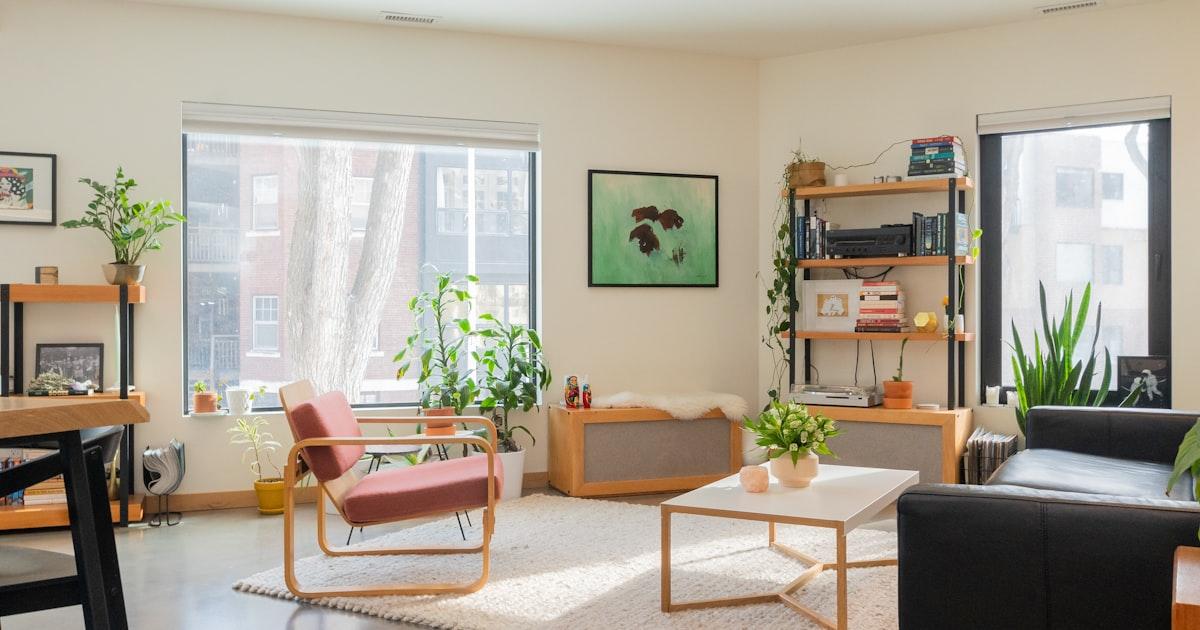
Mietwohnungsversicherung — Ein vollständiger Leitfaden für Vermieter
Die Versicherung ist einer der am meisten übersehenen Aspekte der Mietimmobilienverwaltung, kann aber den Unterschied zwischen einer kleinen Unannehmlichkeit und einer finanziellen Katastrophe ausmachen. Ein Rohrbruch, der die darunter liegende Wohnung überflutet, ein Brand durch ein defektes Gerät oder ein Mieter, der sich an einer kaputten Treppe verletzt — diese Szenarien können Vermieter ohne angemessenen Versicherungsschutz Zehntausende kosten.
Warum die Standard-Wohngebäudeversicherung nicht ausreicht
Viele Vermieter machen den Fehler, ihre Standard-Wohngebäudeversicherung beizubehalten, nachdem sie eine Immobilie zur Mieteinheit umgewandelt haben. Standard-Wohngebäudeversicherungen sind für selbstgenutzte Immobilien konzipiert und schließen in der Regel Deckung für Vermietungsaktivitäten aus oder beschränken sie. Mietimmobilienversicherungen sind speziell für von Mietern bewohnte Immobilien konzipiert und berücksichtigen die einzigartigen Risiken der Vermietung.
Wesentliche Deckungskomponenten
Sachschaden (Gebäudeversicherung)
Dies ist die Grundlage jeder Mietimmobilienversicherung. Sie deckt physische Schäden an der Gebäudestruktur und festen Einbauten ab:
- Feuer- und Rauchschäden — Deckung für Brandschäden, unabhängig von der Ursache
- Wasserschäden — Rohrbrüche, Überflutung aus oberen Stockwerken, Gerätelecks
- Sturm- und Wetterschäden — Windschäden, Hagel, Starkregen und Schneelast
- Vandalismus — Vorsätzliche Beschädigung durch Dritte
- Elektrische Schäden — Kurzschlüsse, Überspannungen und Blitzeinschläge
- Einbruchdiebstahl — Deckung für Einbruchschäden und Diebstahl von festen Einbauten
Haftpflichtversicherung
Die Haftpflichtversicherung schützt Vermieter gegen Ansprüche von Mietern, deren Gästen oder Dritten:
- Verletzungsansprüche von Mietern — Bei Verletzungen durch Gebäudemängel
- Sachschäden Dritter — Wenn ein Problem in Ihrer Immobilie eine Nachbarwohnung beschädigt
- Besucherverletzungen — Ansprüche von Gästen oder Dienstleistern
- Rechtsverteidigungskosten — Anwaltsgebühren und Gerichtskosten
Mietausfallversicherung
Diese Deckung entschädigt Vermieter für entgangene Mieteinnahmen, wenn die Immobilie aufgrund eines versicherten Ereignisses unbewohnbar wird. Wichtige Aspekte:
- Deckung gilt typischerweise für einen Maximalzeitraum (oft 12-24 Monate)
- Die Versicherungssumme sollte Ihren tatsächlichen monatlichen Mieteinnahmen entsprechen
- Einige Policen decken Kosten für notwendige Ersatzunterkünfte für versetzte Mieter ab
Inventar und Ausstattung
Wenn Sie eine möblierte Wohnung vermieten, benötigen Sie Deckung für das bereitgestellte Inventar:
- Möbel (Betten, Sofas, Tische, Schränke)
- Haushaltsgeräte (Kühlschrank, Waschmaschine, Geschirrspüler, Ofen)
- Bereitgestellte Elektronik (Fernseher, Router, Klimageräte)
- Ausstattung (Jalousien, Vorhänge, Leuchten)
Plattformen wie Brokik ermöglichen es Vermietern, detaillierte Inventarlisten mit Fotos zu führen, was die Dokumentation und den Nachweis im Schadensfall erleichtert.
Zusätzliche Deckungsoptionen
Rechtsschutzversicherung
- Anwaltsgebühren bei Mieterstreitigkeiten
- Gerichtskosten und Gebühren
- Mediationskosten
- Kosten im Zusammenhang mit Räumungsverfahren
Mietausfallversicherung bei Zahlungsausfall
- Unbezahlte Miete für einen begrenzten Zeitraum (meist 3-6 Monate)
- Rechtliche Kosten zur Eintreibung ausstehender Miete
- Kosten im Zusammenhang mit der Räumung
So wählen Sie die richtige Police
Bewerten Sie Ihre Risiken
- Gebäudealter und -zustand — Ältere Gebäude können höhere Risiken aufweisen
- Standort — Erdgeschosswohnungen haben höhere Überschwemmungsrisiken; Dachgeschosswohnungen höhere Wassereinbruchrisiken
- Installationstyp — Gasinstallationen tragen spezifische Risiken
- Mieterprofil — Studentenunterkünfte haben andere Risikoprofile als Familienvermietungen
- Möblierungsgrad — Voll möblierte Wohnungen benötigen höhere Inventardeckung
Achten Sie auf häufige Ausschlüsse
- Allmähliche Schäden — Langsame Wasserlecks oder fortschreitender Schimmel können ausgeschlossen sein
- Verschleiß — Normale Materialabnutzung ist nie gedeckt
- Unbewohnte Immobilie — Bei Leerstand über 30-60 Tage können Deckungen suspendiert werden
- Illegale Umbauten — Schäden durch unautorisierte bauliche Veränderungen
Versicherung über mehrere Immobilien verwalten
- Portfoliopolicen — Einige Versicherer bieten Mehrobjekt-Policen mit vereinfachter Verwaltung und Mengenrabatten
- Zentrale Nachverfolgung — Verwenden Sie Immobilienverwaltungstools wie Brokik zur Speicherung von Policendokumenten und Verfolgung von Verlängerungsterminen
- Jährliche Überprüfung — Überprüfen Sie alle Policen jährlich
Best Practices im Schadensfall
- Sofort dokumentieren — Fotografieren Sie alle Schäden sofort nach Entdeckung
- Versicherer umgehend benachrichtigen — Die meisten Policen erfordern eine Meldung innerhalb eines bestimmten Zeitraums
- Beweise sichern — Bewahren Sie beschädigte Gegenstände auf, bis der Versicherer sie begutachtet hat
- Unterlagen führen — Aktuelle Inventarlisten und Zustandsberichte (wie sie durch Brokik erstellt werden) beschleunigen den Schadenprozess erheblich
Zusammenfassung
Eine angemessene Versicherung ist ein unverzichtbares Element verantwortungsvoller Mietimmobilienverwaltung. Sie schützt Ihre finanzielle Investition, deckt Ihre Haftungsrisiken ab und gibt Ihnen Gelassenheit bei unerwarteten Ereignissen. Der Schlüssel ist die Wahl einer Deckung, die zu Ihren spezifischen Immobilienrisiken passt, häufige Deckungslücken zu vermeiden und gründliche Dokumentation zur Unterstützung zukünftiger Ansprüche zu führen. In Kombination mit professionellen Verwaltungspraktiken — unterstützt durch Tools wie Brokik — bildet eine umfassende Versicherung das Sicherheitsnetz, das jeder professionelle Vermieter braucht.
Behalten Sie Ihre Mietzahlen im Blick
Berichte ansehenÄhnliche Artikel
17 Sep. 2026 · 11 min
Grundsteuer — Steuersätze und Vergünstigungen für Vermieter 2026
Ein umfassender Leitfaden zur Grundsteuer für Vermieter im Jahr 2026. Erfahren Sie mehr über aktuelle Steuersätze, verfügbare Steuervergünstigungen und praktische Strategien zur Optimierung Ihrer Steuerpflichten.
30 Aug. 2026 · 10 min
Optimierung der Renovierungskosten für eine Mietwohnung
Erfahren Sie, wie Sie kosteneffiziente Renovierungen für Mietwohnungen planen und durchführen. Strategien zur ROI-Maximierung und Materialauswahl.

12 Aug. 2026 · 7 min
Software für die Mietabrechnung — wie Sie die Miete ohne Excel abrechnen
Die Mietabrechnung in Excel kostet Zeit und ist fehleranfällig. Erfahren Sie, was zu einer Mietabrechnung gehört, wie sich monatliche und jährliche Abrechnung unterscheiden und wie Software den Prozess automatisiert — von Zählerständen bis zur Kaution.
Die gesamte Mietverwaltung an einem Ort
Verwalten Sie Ihre Vermietung einfacher mit Brokik - Verträge, Abrechnungen und Dokumente an einem Ort.